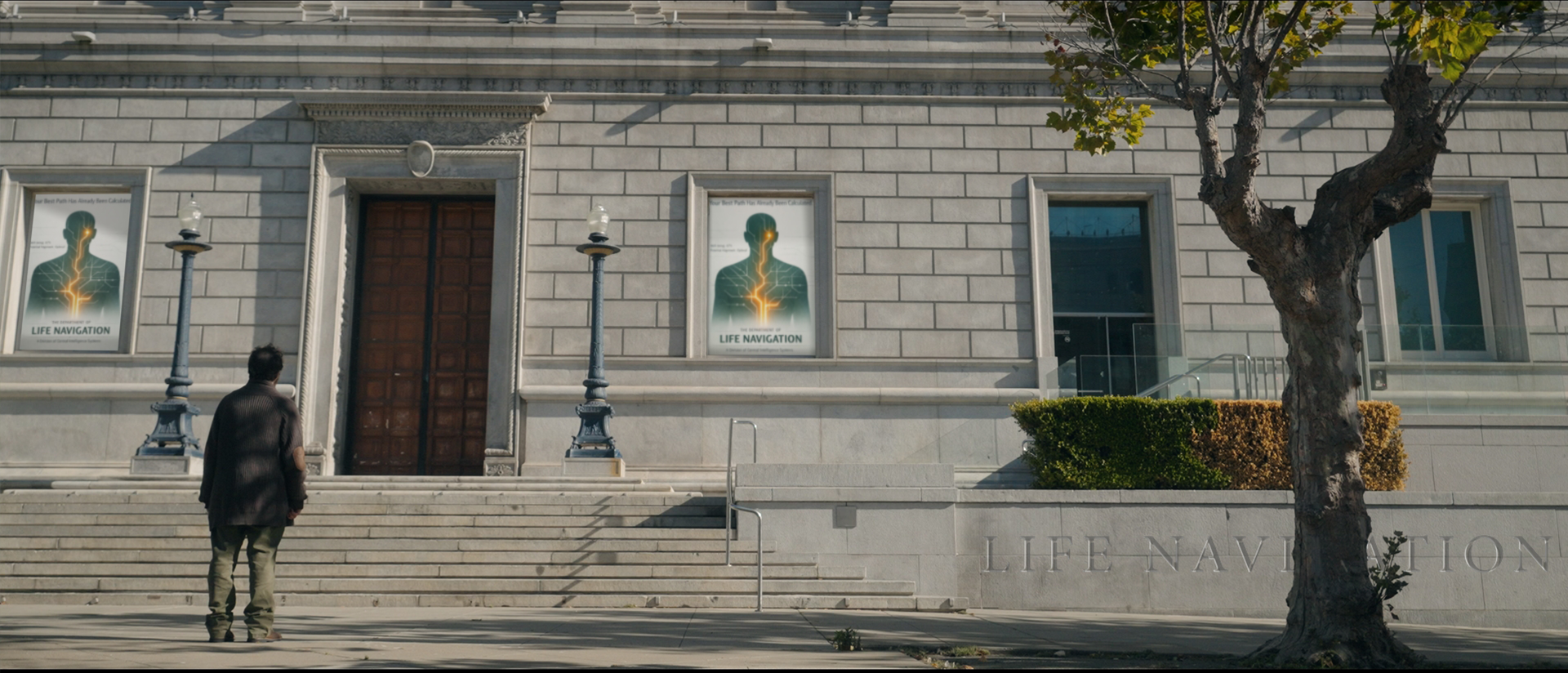
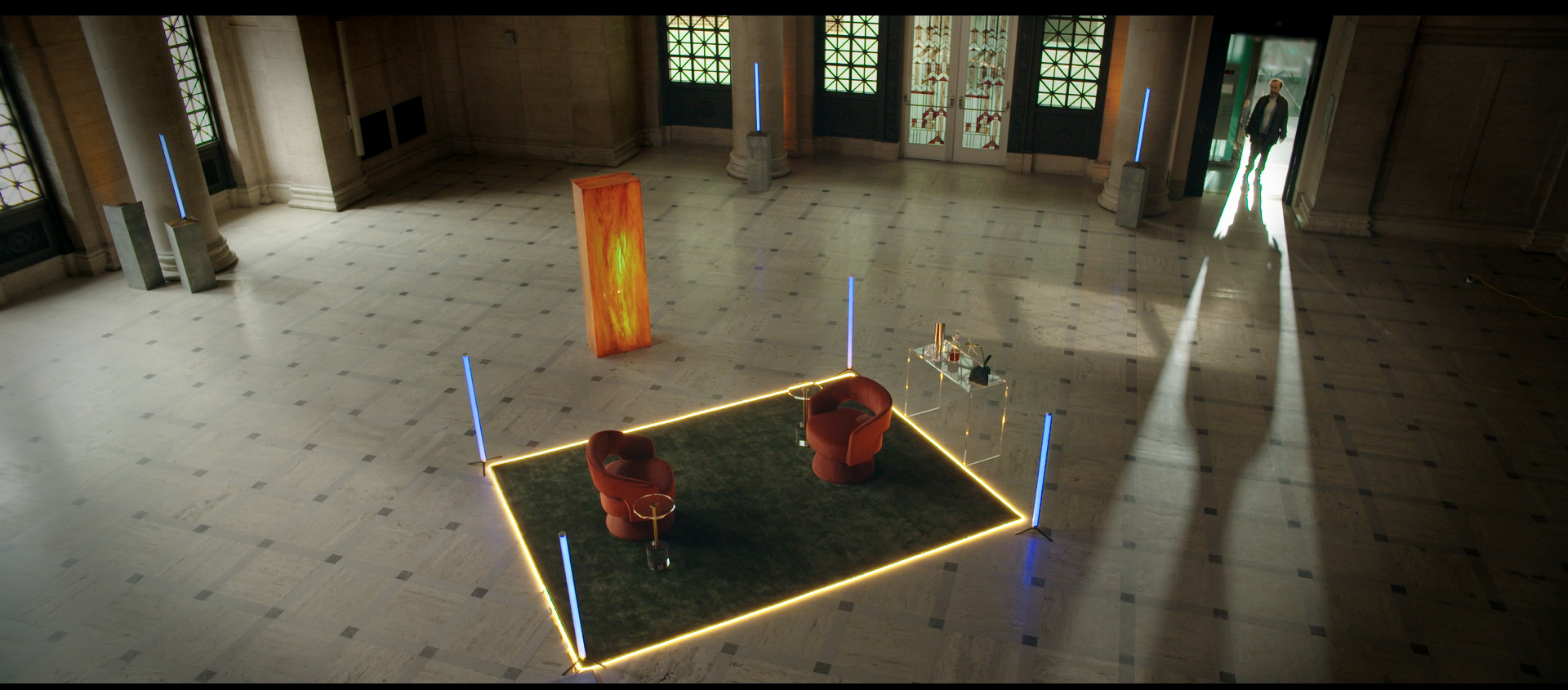
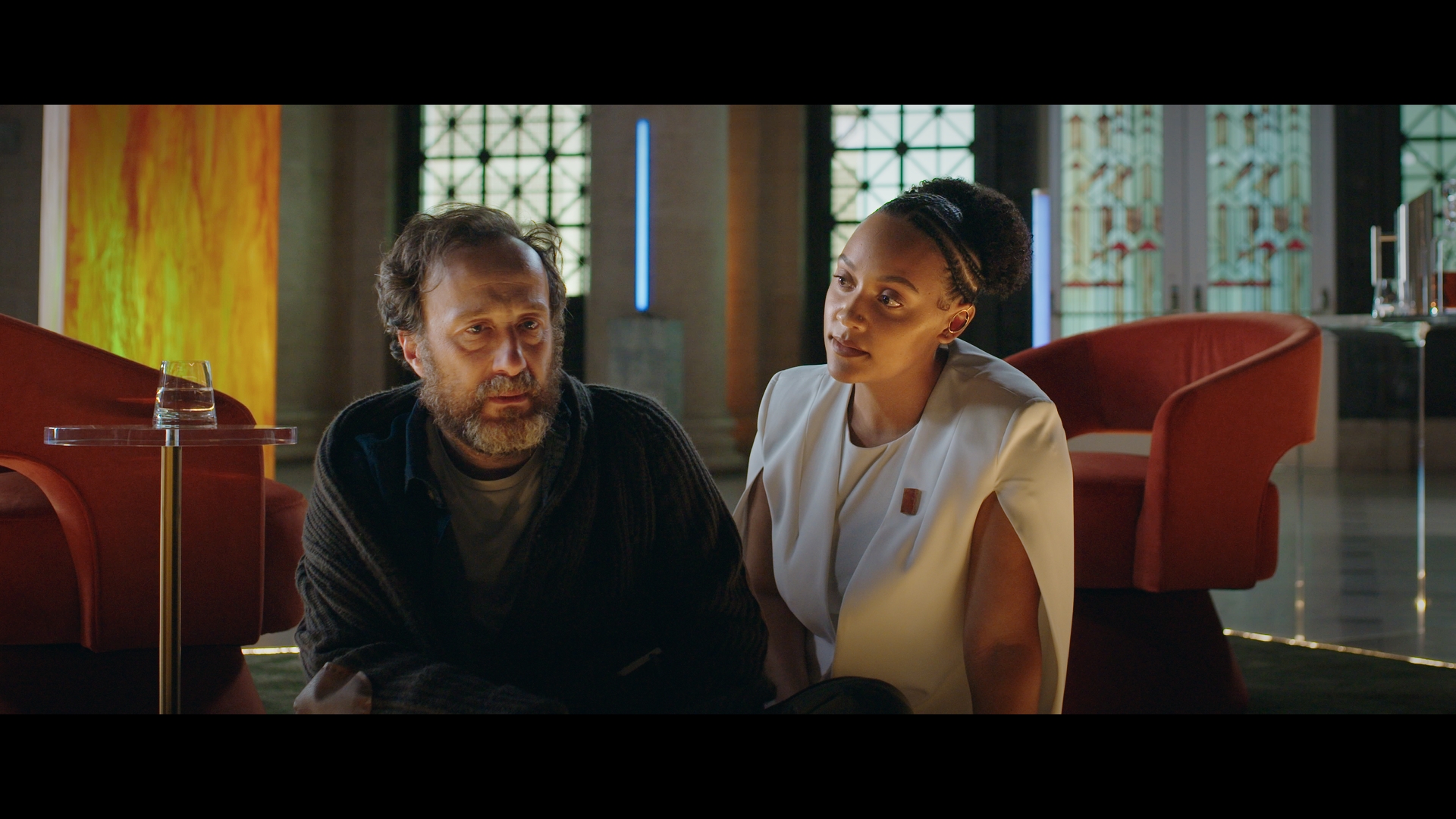
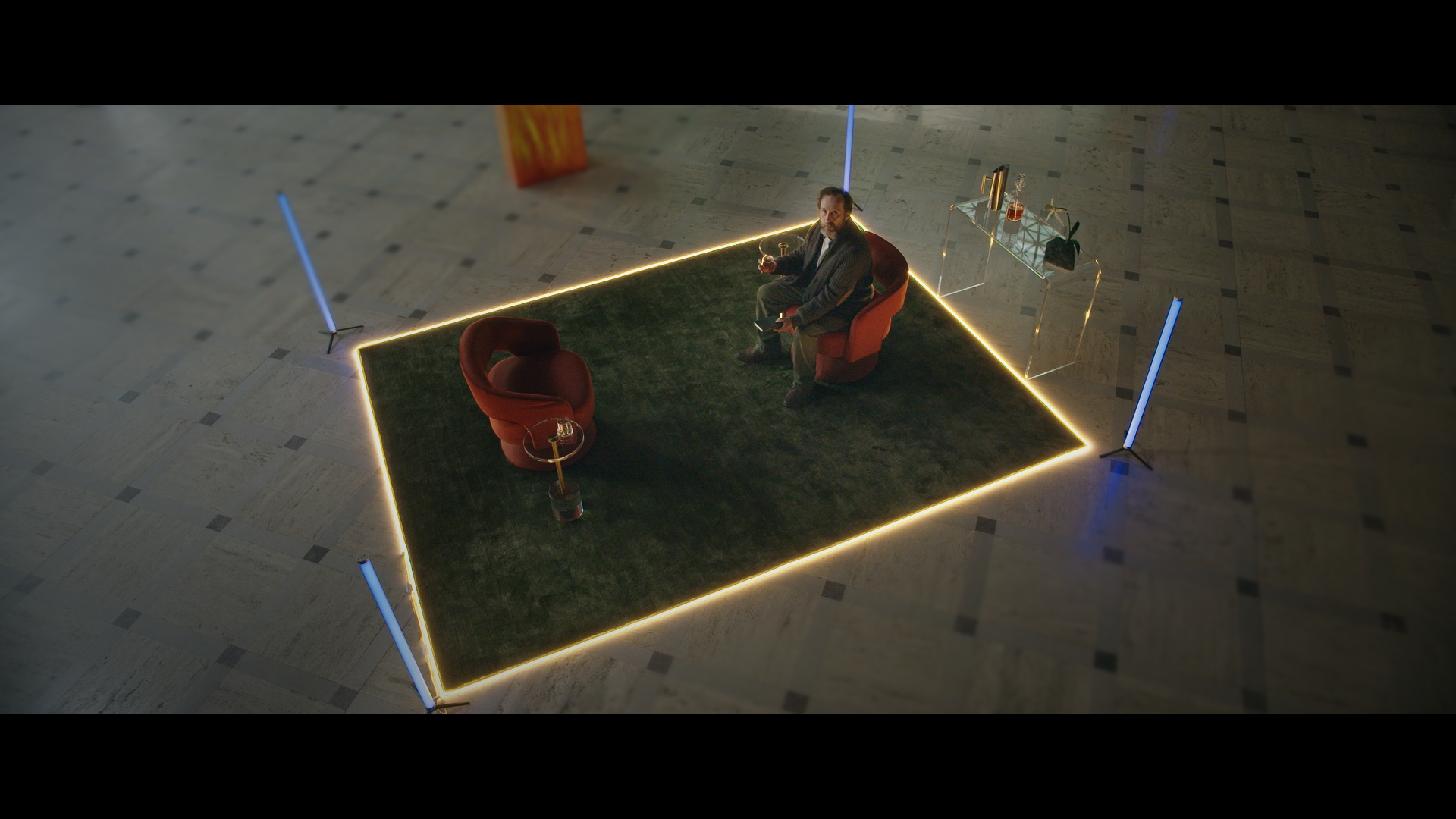
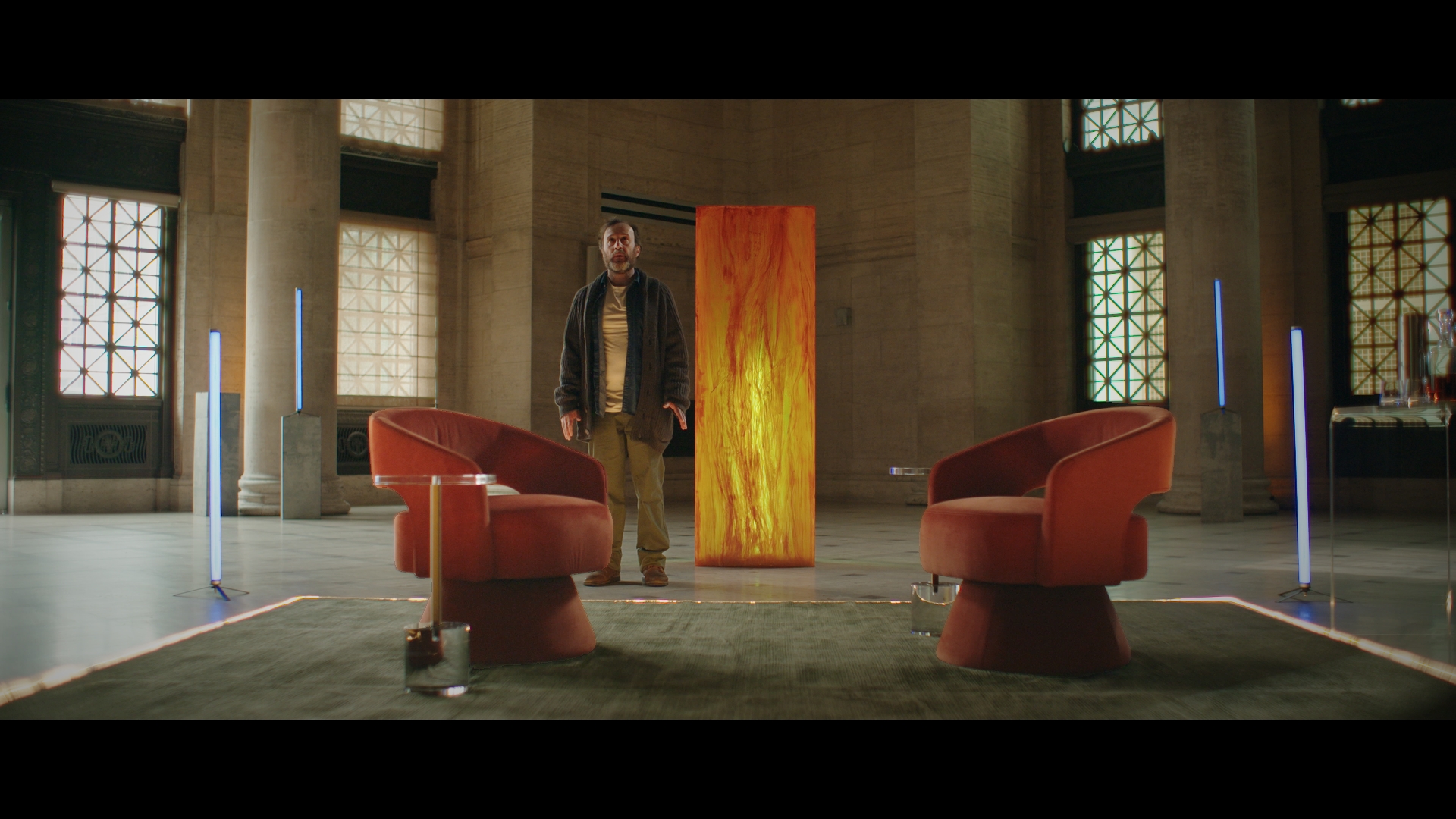
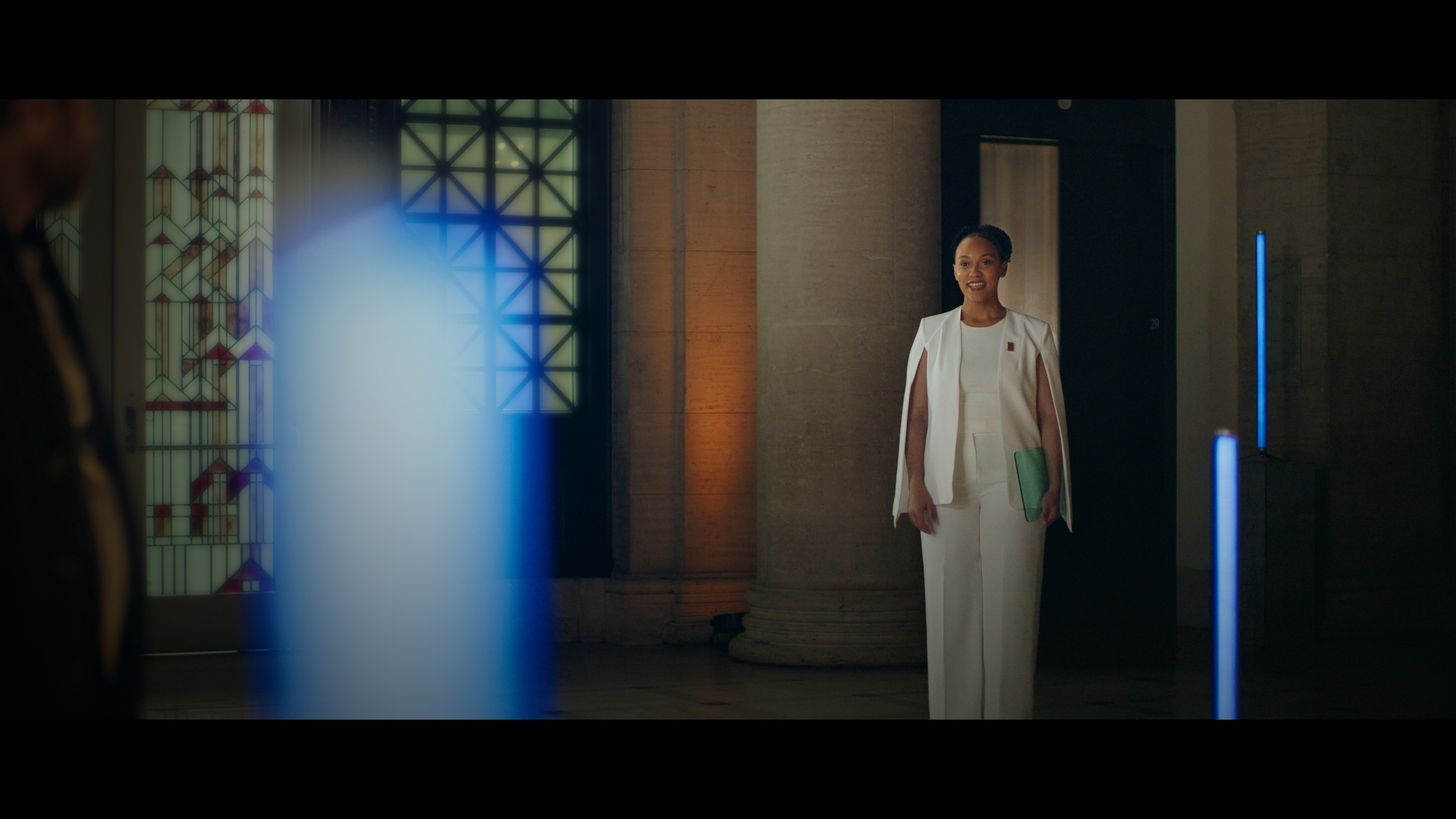
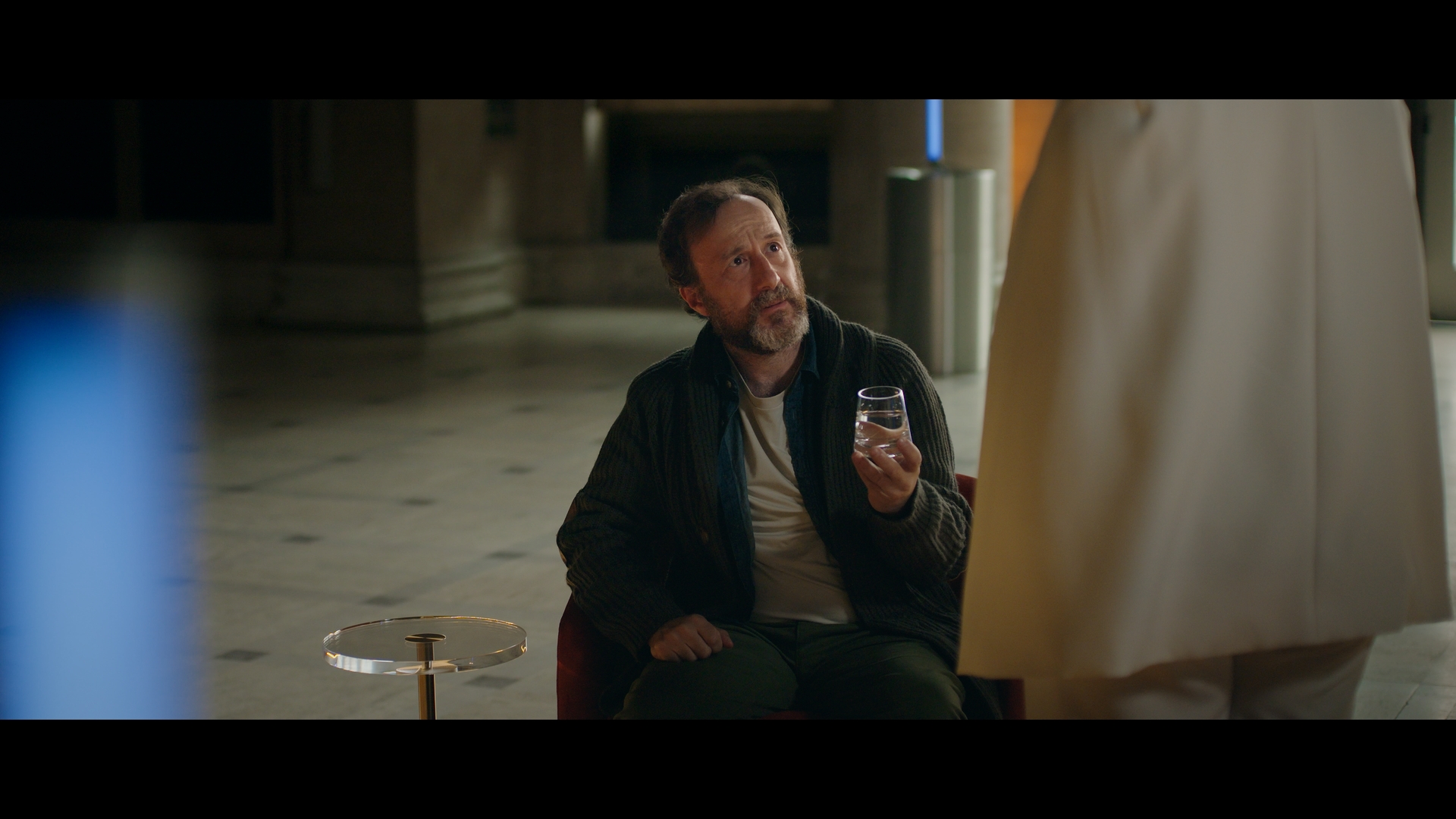
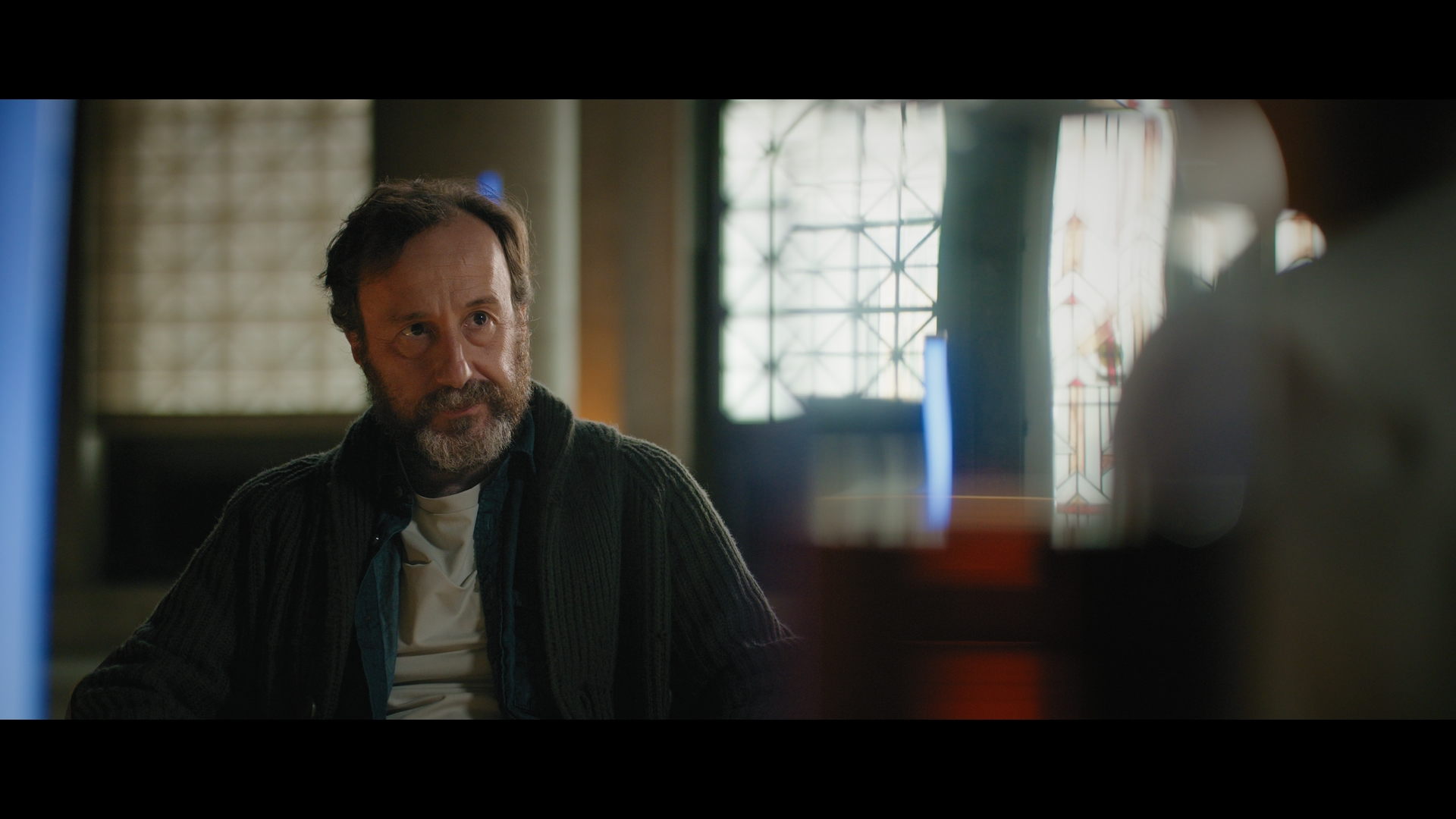
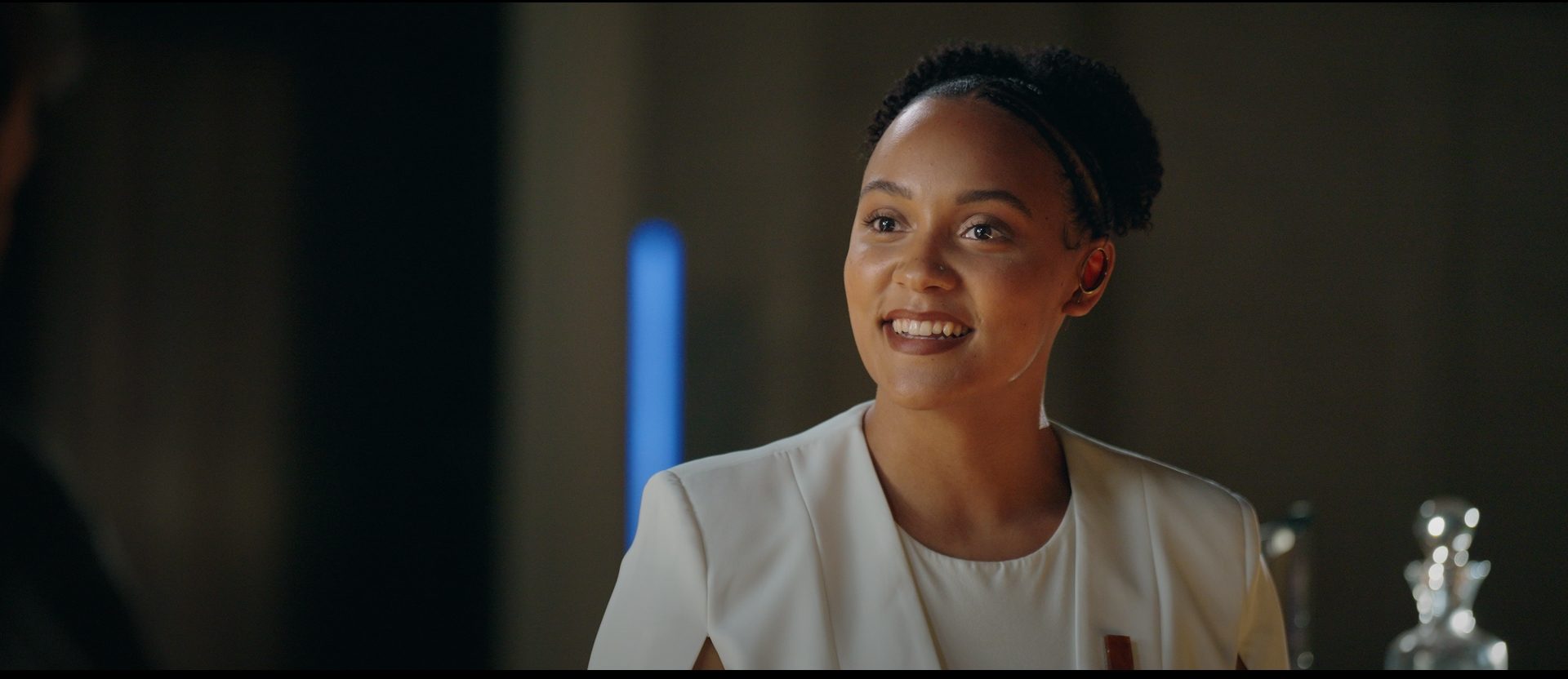
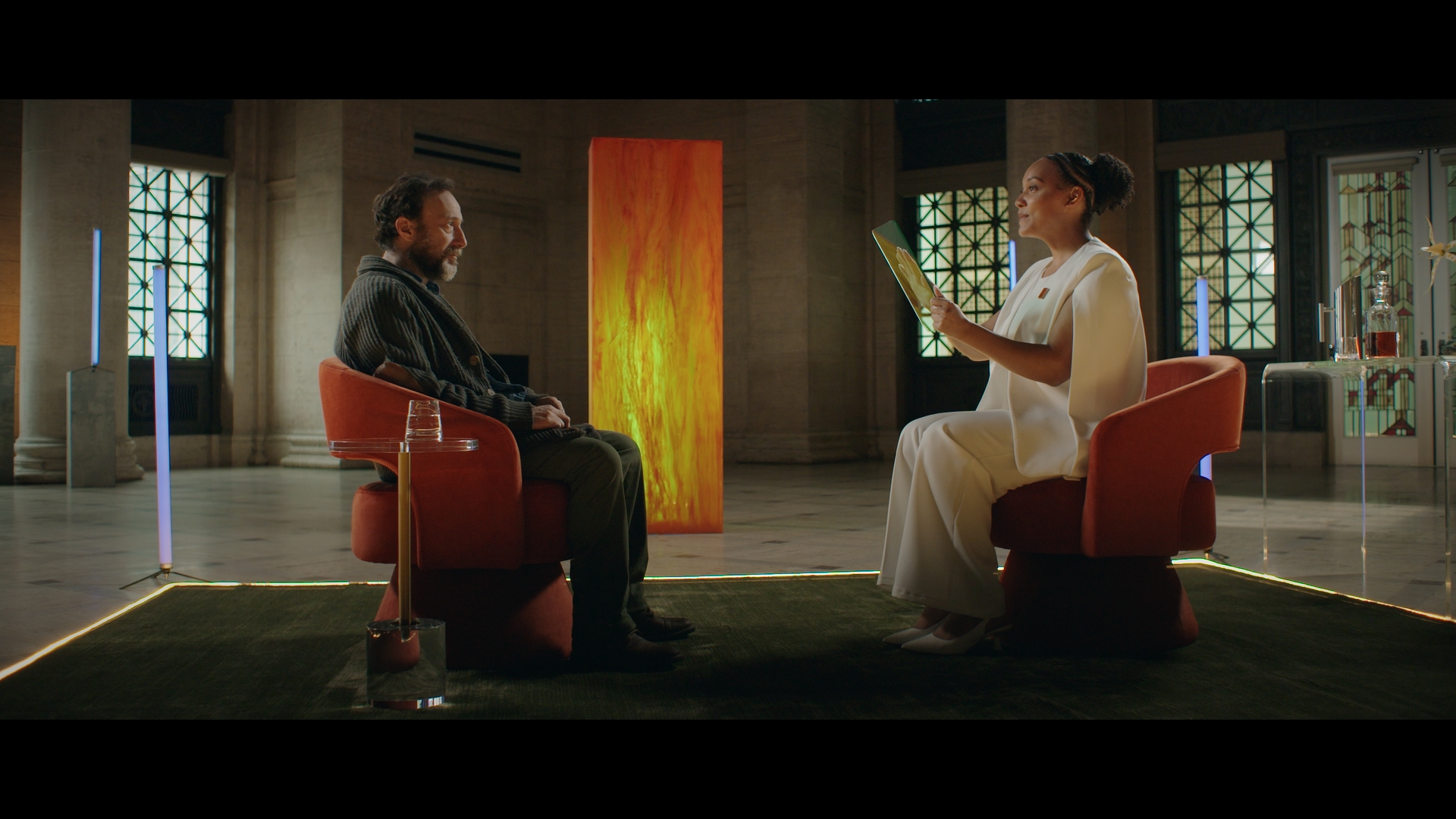
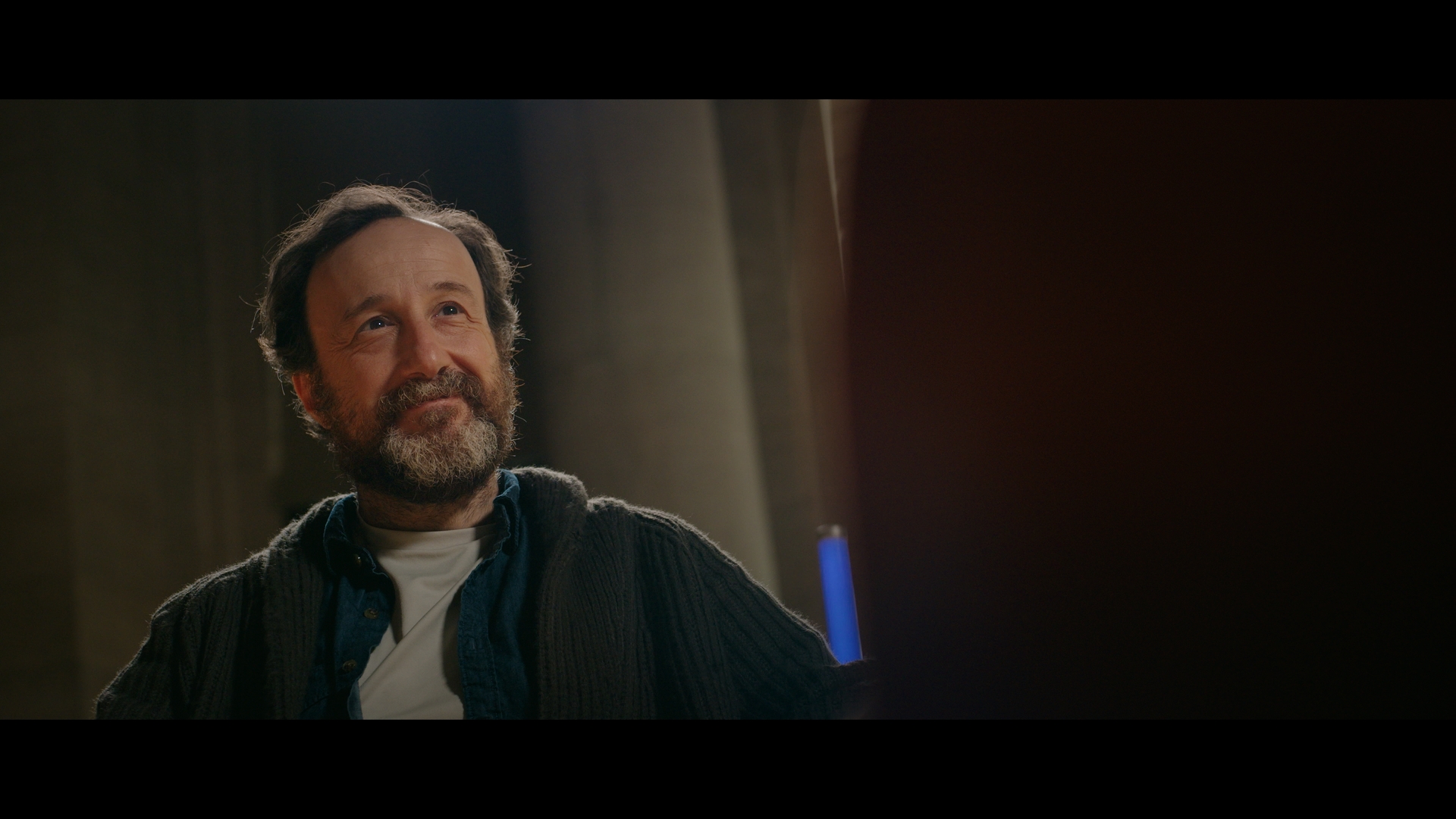
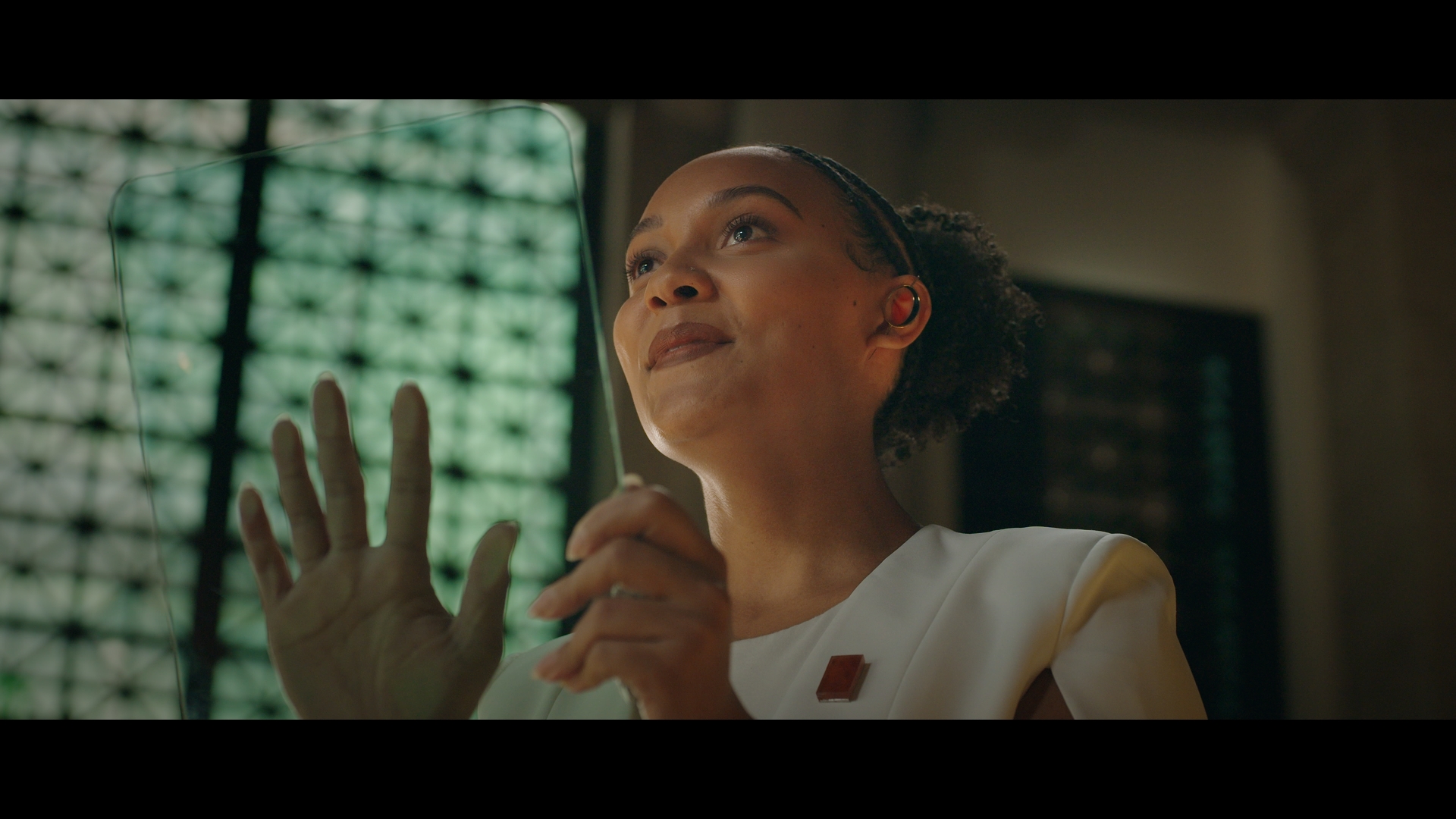
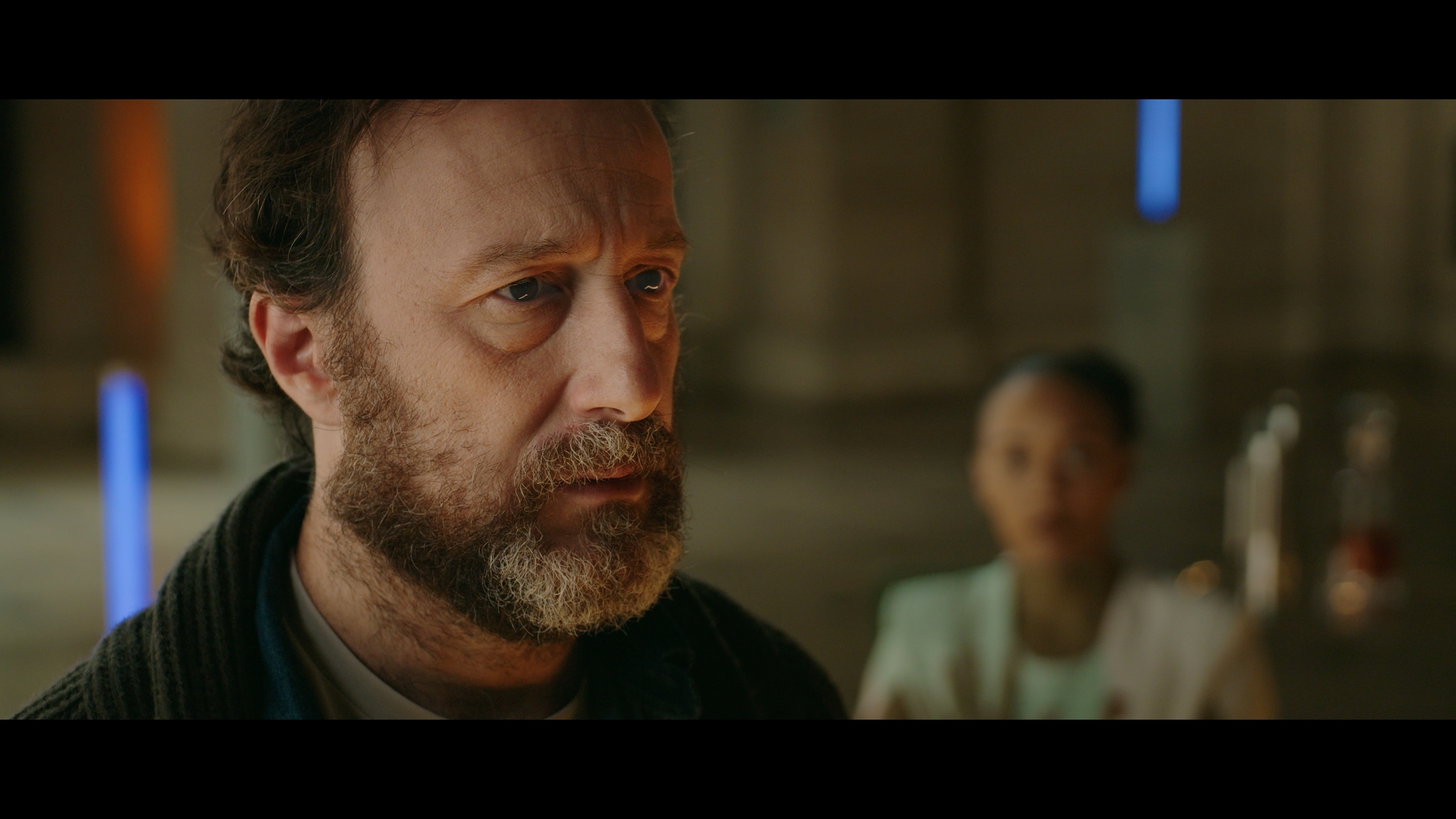
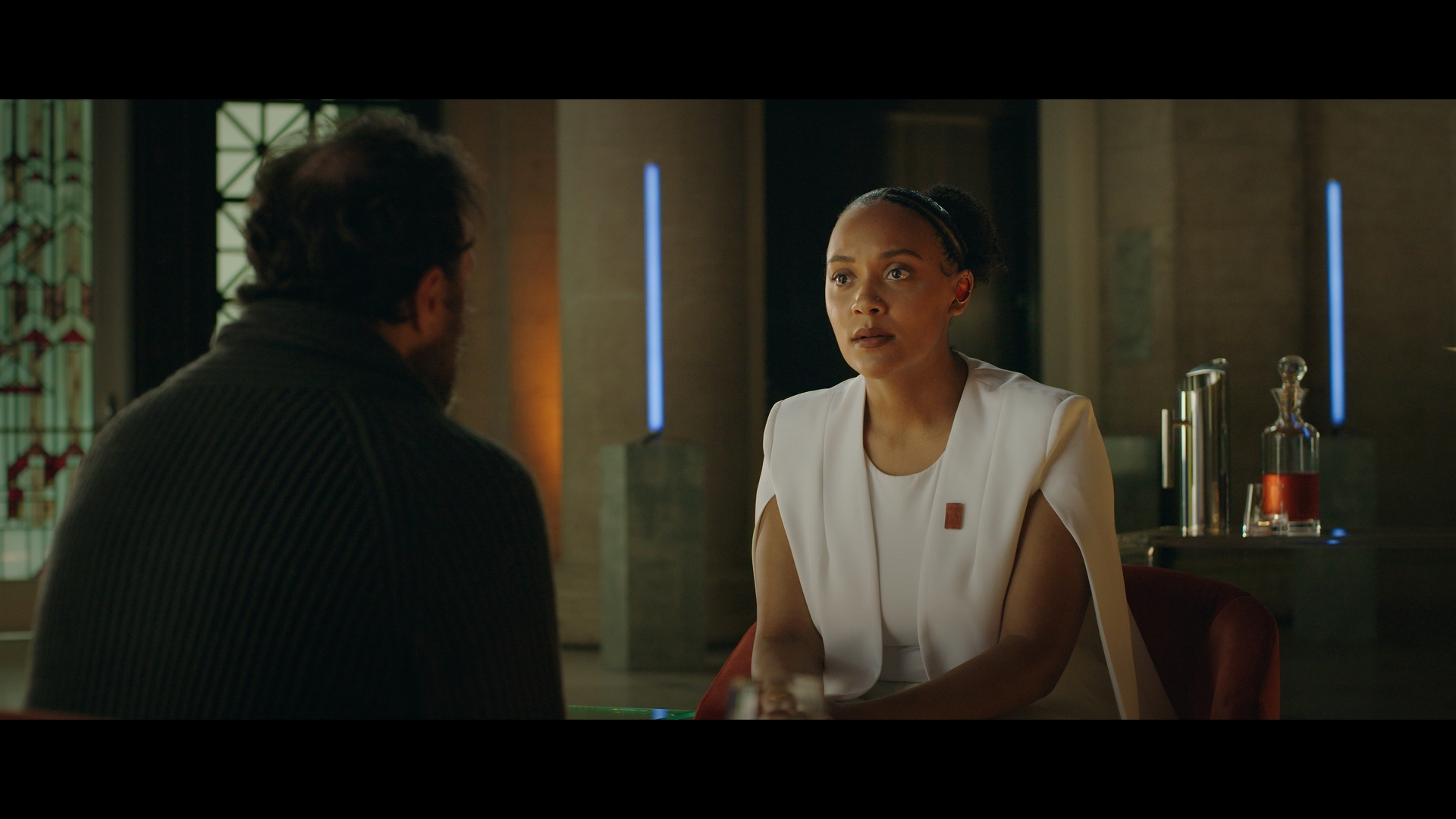
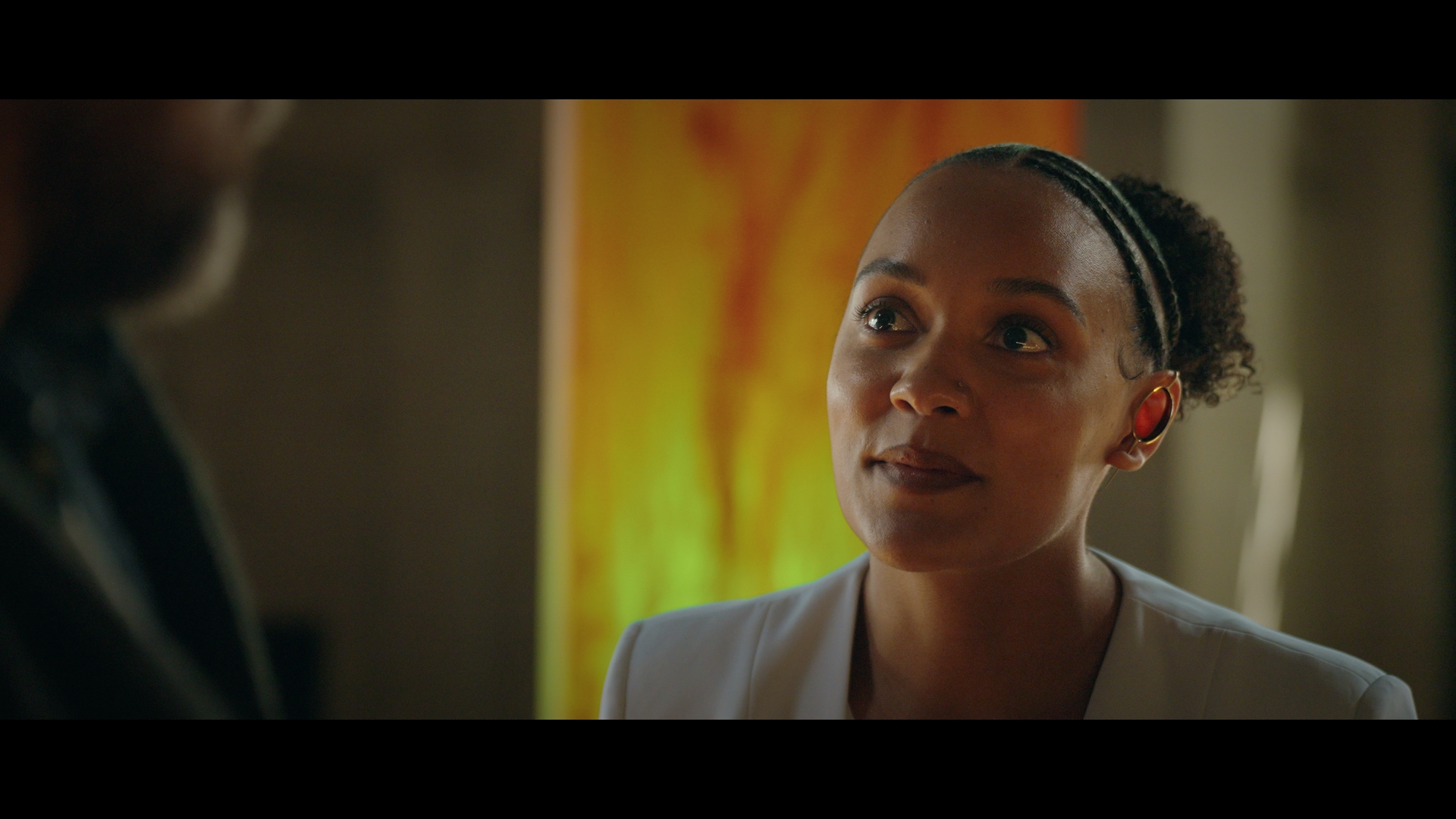
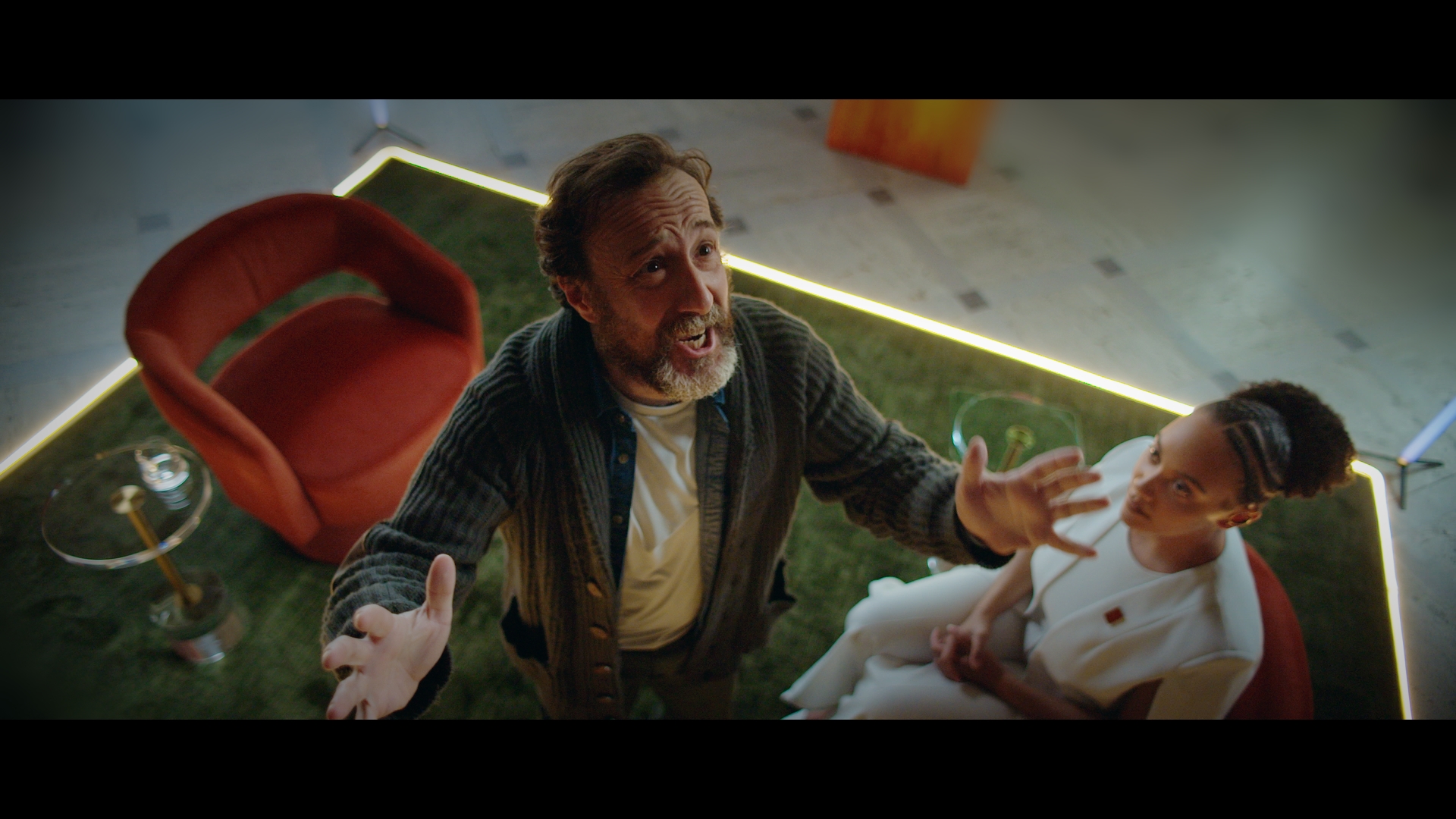
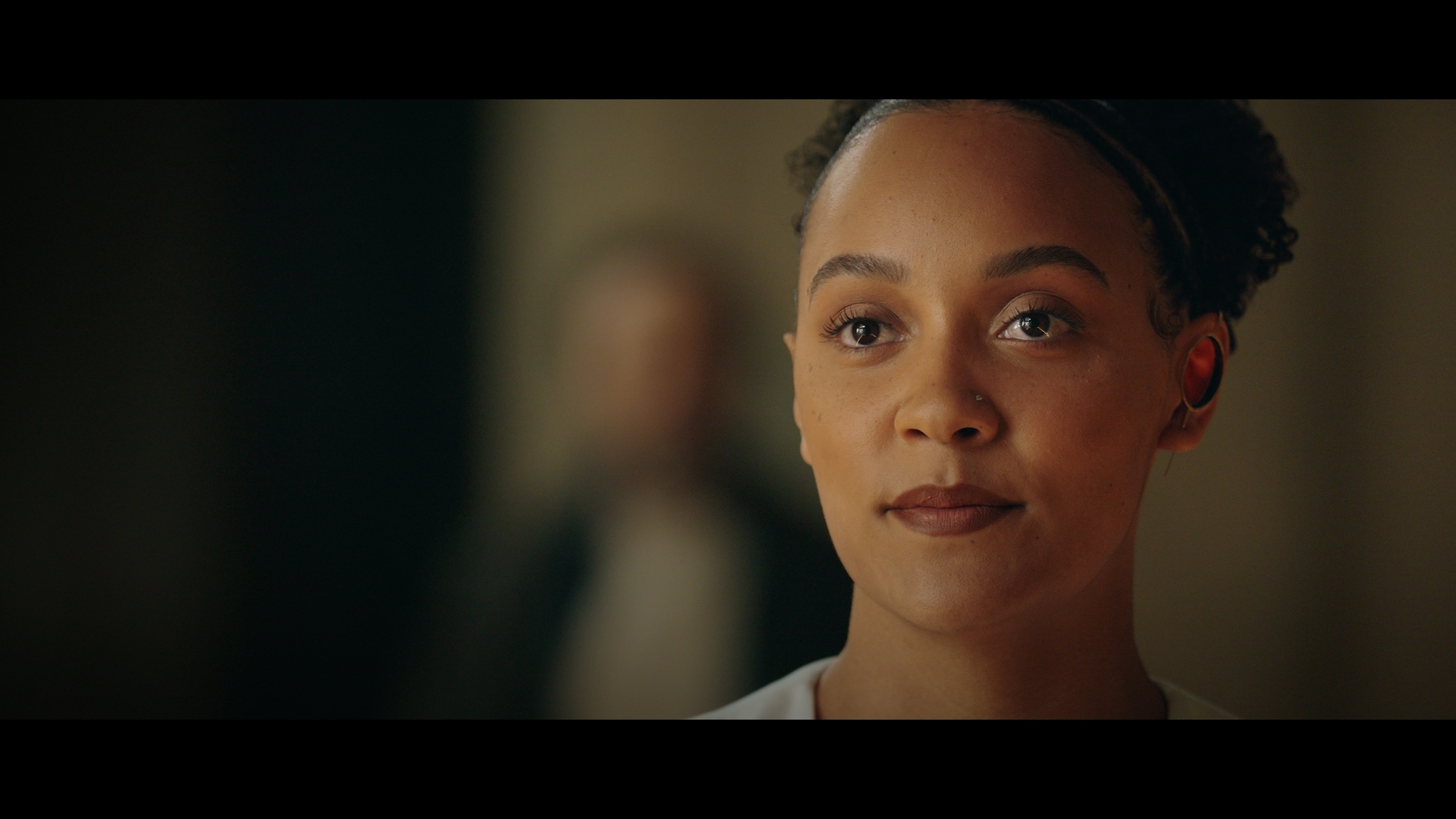
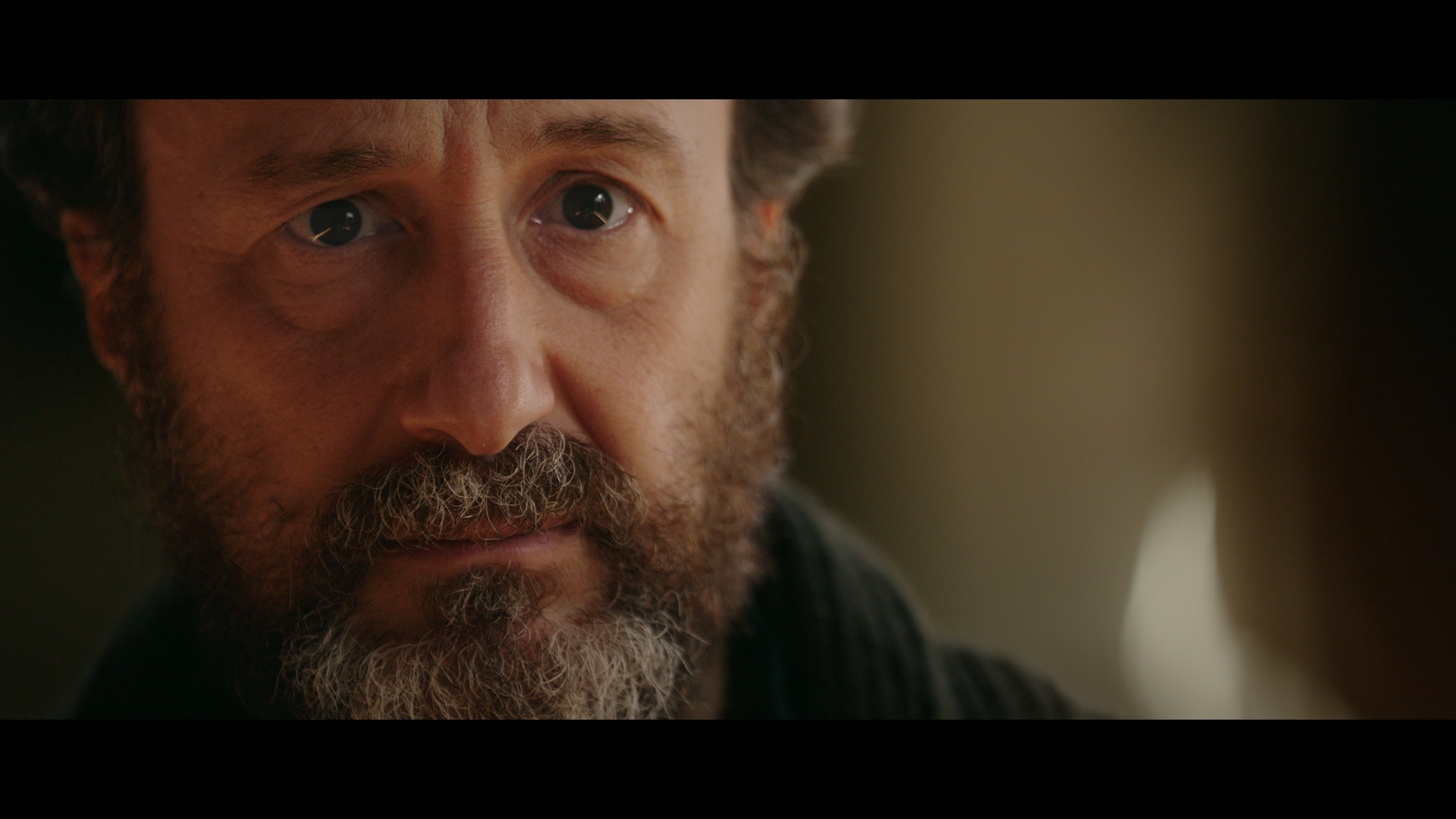
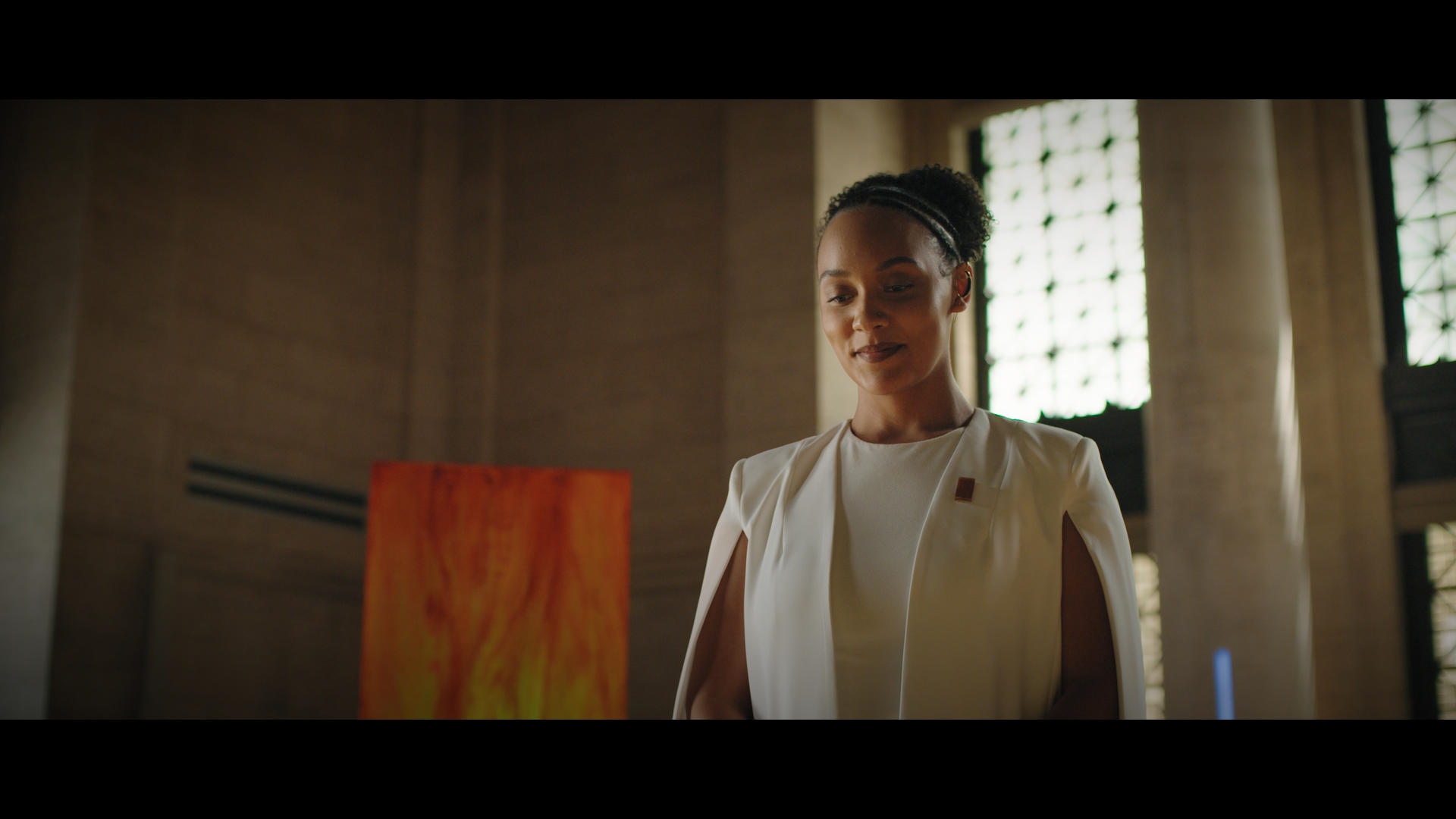
In a future run by a godlike super-intelligence that optimizes every citizen’s path through life, all struggling writer Henry P. Jones wants is to be left alone. But when his contribution score falls below zero, he is summoned to the Department of Life Navigation for an emergency consultation.
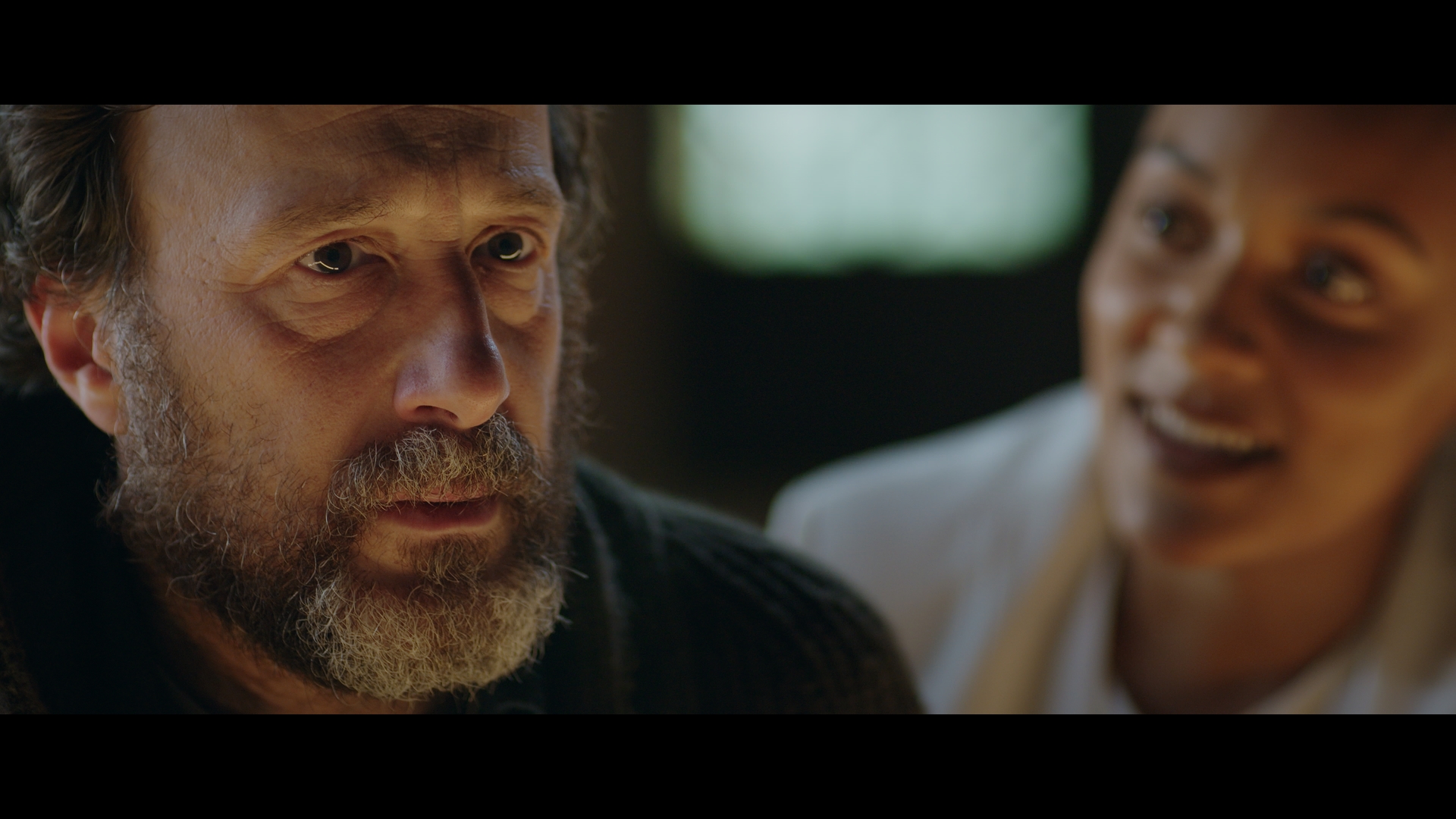
What begins as a routine evaluation quickly becomes a ruthless interrogation of Henry’s choices in life, forcing him to prove that his human imagination still has something to offer the world.
The idea for MISTER OBSOLETE began with a simple question: what would happen if humanity created a god-like super intelligence so advanced that it could know everything, predict everything, and guide us toward our optimal lives? The promise would be irresistible: a life free from confusion, wasted effort, and regret. Why would someone not accept such guidance?
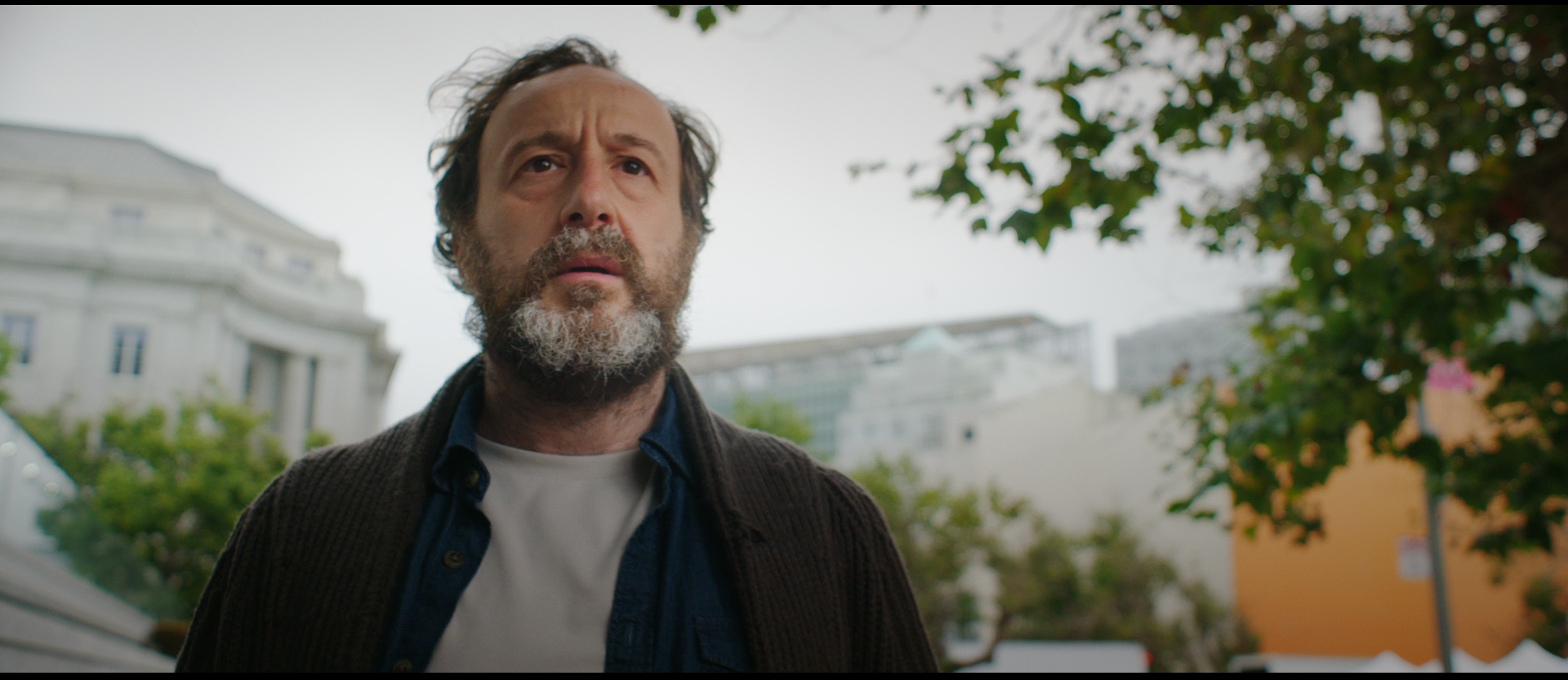
This question led me to the character of Henry P. Jones, a struggling writer who refuses the guidance of this all-knowing system. Henry clings to a deeply human belief that a meaningful life is not something that can be calculated, but something that must be discovered through experience, failure, and uncertainty. The System’s prescribed path also contradicts everything he believes himself to be. His stubborn resistance raises an uncomfortable question: when the world tells us we are mistaken about who we are, should we listen, or hold fast to the story we tell about ourselves?
MISTER OBSOLETE explores that tension. It asks whether the messy, irrational drive to create, the same force that has propelled human imagination for centuries, still has a place in a world increasingly shaped by these new technologies.
Ultimately, the film is a small tribute to that stubborn human impulse: the refusal to stop imagining, even when the world suggests we should.